NGO Updates · January 2025 · 5 min
Top Women-Led NGOs in Uganda Working for Social and Environmental Justice
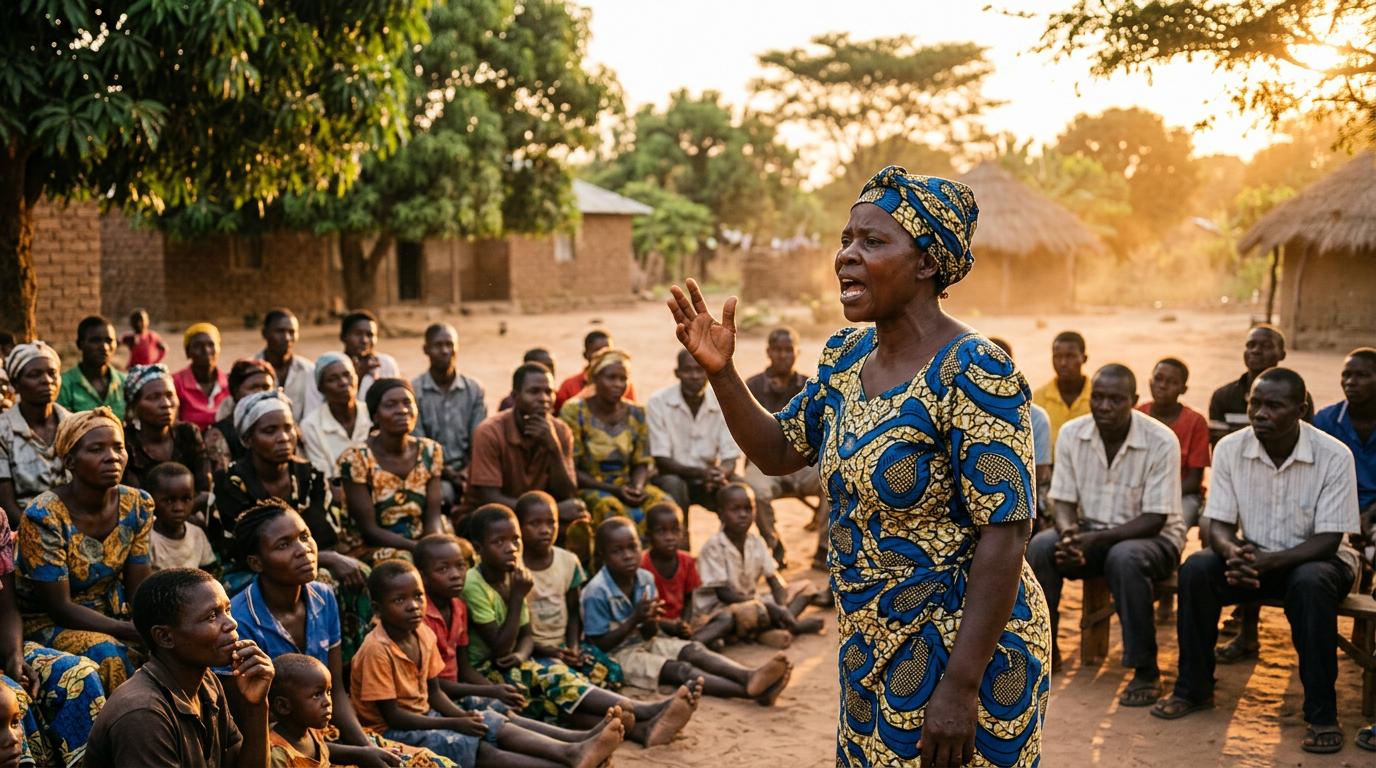
Uganda is home to a growing movement of women-led organizations working at the intersection of gender equality, environmental protection, and climate justice. These organizations are reshaping policy, supporting grassroots communities, and building resilient futures.
Read article content
Uganda is home to a growing movement of women-led organizations working at the intersection of gender equality, environmental protection, and climate justice. These organizations are reshaping policy, supporting grassroots communities, and building resilient futures.
Why Women-Led Organizations Matter
Women-led NGOs bring unique perspectives and approaches to social and environmental challenges. They center community voices, prioritize inclusive decision-making, and understand the interconnected nature of gender and environmental justice.
When women lead, solutions become more holistic and sustainable.
Leading Organizations
From WISE Uganda to the National Association of Professional Environmentalists (NAPE), women-led organizations are driving transformative change across the country. These groups work on issues ranging from land rights to climate adaptation, from GBV prevention to media advocacy.
Climate Justice · December 2024 · 6 min
Why Women's Voices Matter in Climate Action in East Africa
Women are disproportionately affected by climate change, yet their voices are often excluded from climate policy and decision-making. This article explores why centering women is essential for effective climate action.
Read article content
Women are disproportionately affected by climate change, yet their voices are often excluded from climate policy and decision-making. This article explores why centering women is essential for effective climate action.
The Gender-Climate Connection
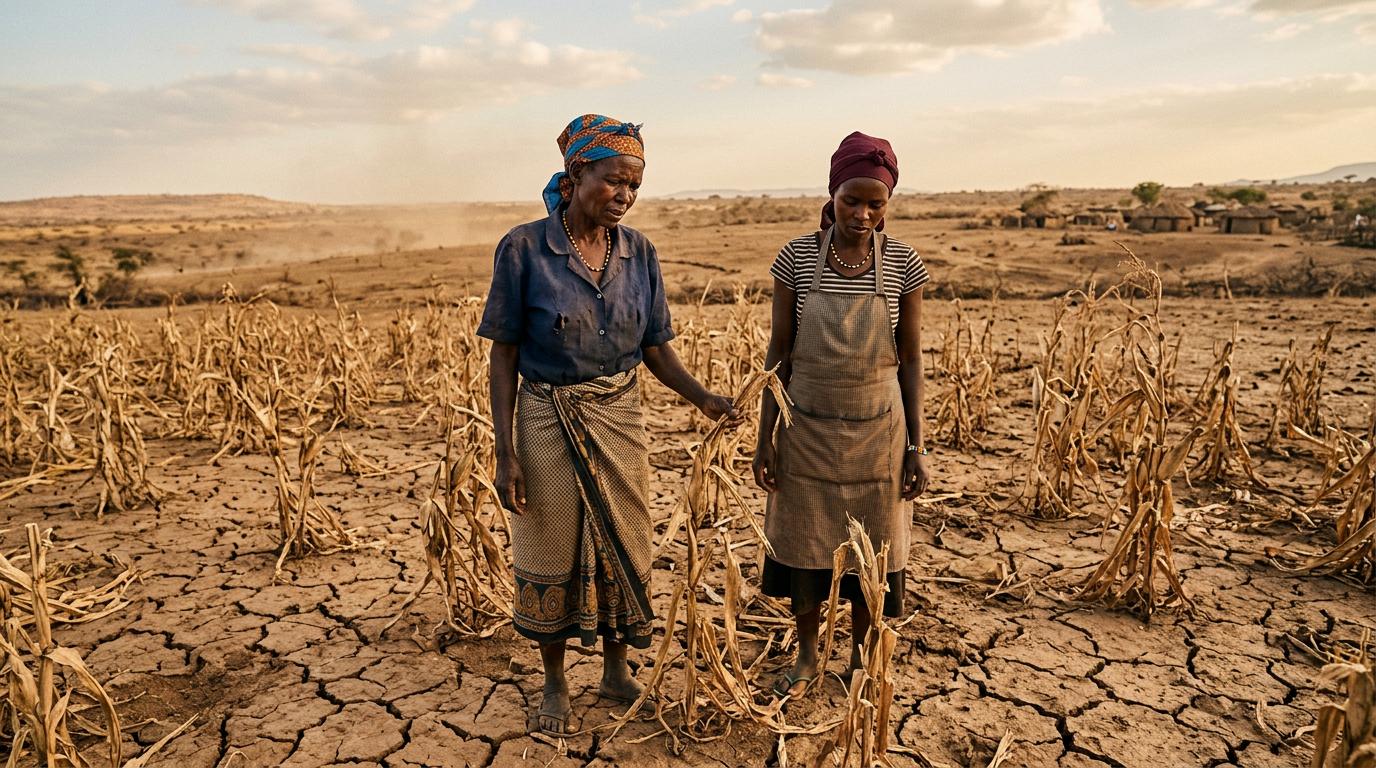
In East Africa, women bear the primary responsibility for food production, water collection, and household energy. When droughts strike or floods destroy crops, women must travel farther, work harder, and make impossible choices.
Climate justice cannot exist without gender justice.
Natural Resource Governance · November 2024 · 7 min
How Grassroots Women Can Influence Natural Resource Governance
Community women are increasingly engaging in natural resource governance, from village land committees to national policy forums. Here is how grassroots organizing is creating pathways for meaningful participation.
Read article content
Community women are increasingly engaging in natural resource governance, from village land committees to national policy forums. Here is how grassroots organizing is creating pathways for meaningful participation.
Building Capacity from the Ground Up
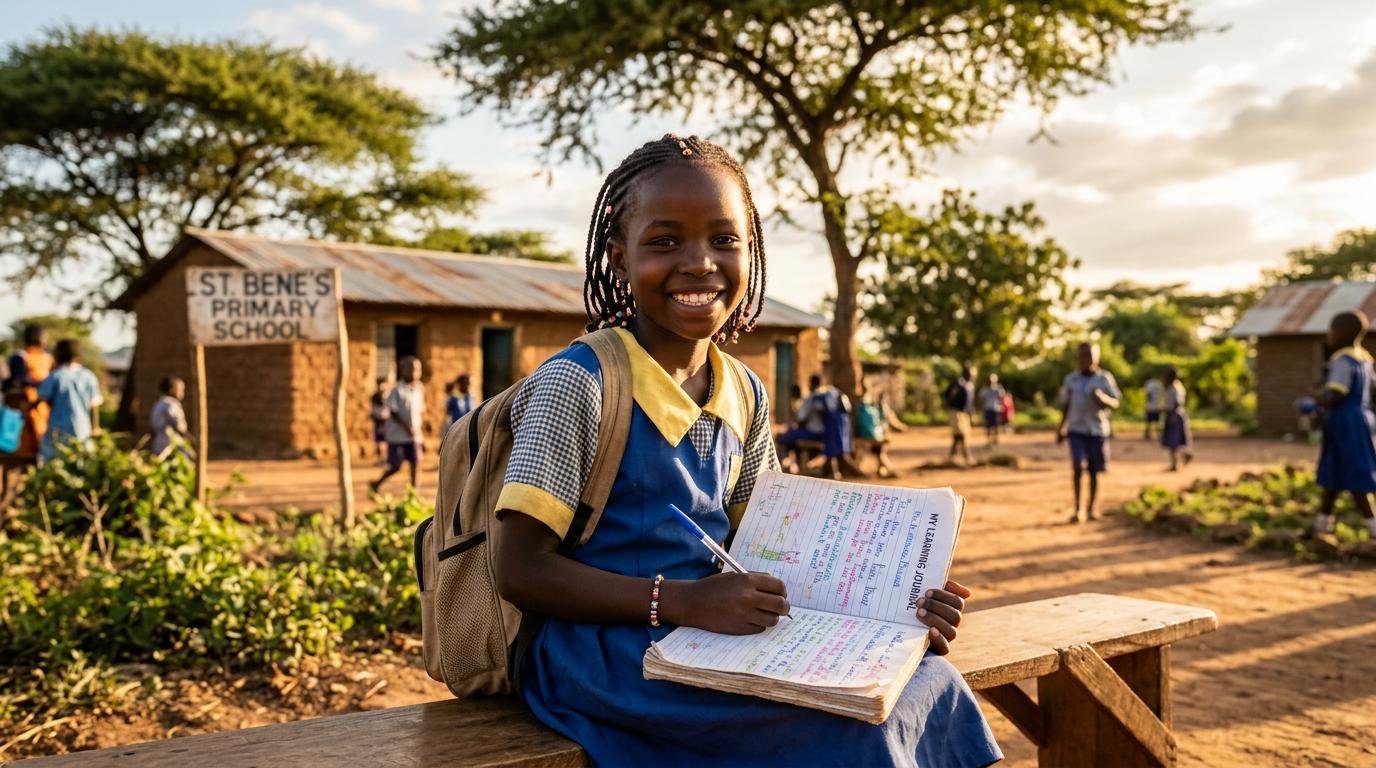
Training programs focused on legal literacy, public speaking, and advocacy are equipping women with the skills they need to engage effectively in governance processes.
Land Rights · October 2024 · 8 min
Women's Land Rights and Environmental Justice in Uganda
Land rights are a cornerstone of environmental justice for women in Uganda. This article examines the legal frameworks, cultural barriers, and community strategies for securing women's land tenure.
Read article content
Land rights are a cornerstone of environmental justice for women in Uganda. This article examines the legal frameworks, cultural barriers, and community strategies for securing women's land tenure.
Legal Frameworks
Uganda's Constitution and Land Act provide for women's land rights, but implementation remains uneven. Customary practices often override statutory protections, leaving widows and divorced women particularly vulnerable.
Climate Justice · September 2024 · 6 min
Climate Change and Its Impact on Women and Girls in Rural Communities
Rural women and girls face the brunt of climate change impacts, from food insecurity to disrupted education. This analysis draws on community stories and research from across Uganda.
Read article content
Rural women and girls face the brunt of climate change impacts, from food insecurity to disrupted education. This analysis draws on community stories and research from across Uganda.
Education Disruption
When families struggle to afford food, school fees often become impossible. Girls are the first to be pulled out of school, sent to fetch water from ever-distant sources, or married early to reduce household burdens.
Media and Storytelling · August 2024 · 5 min
The Role of Media in Amplifying Women's Rights
Media is a powerful tool for advancing women's rights. From community radio to social media campaigns, this article explores how strategic storytelling can shift narratives and inspire action.
Read article content
Media is a powerful tool for advancing women's rights. From community radio to social media campaigns, this article explores how strategic storytelling can shift narratives and inspire action.
Community Radio
Community radio stations in local languages reach audiences that national media cannot. Women-led programs on land rights, health, and safety are building awareness and sparking conversations in remote villages.
Community Stories · July 2024 · 6 min
How Storytelling Can Support Gender Justice and Community Change
Storytelling is more than documentation — it is a tool for healing, organizing, and advocacy. Learn how WISE uses community storytelling to drive gender justice outcomes.
Read article content
Storytelling is more than documentation — it is a tool for healing, organizing, and advocacy. Learn how WISE uses community storytelling to drive gender justice outcomes.
Storytelling as Healing
For survivors of gender-based violence, sharing their story in a safe environment can be transformative. WISE's safe storytelling protocols ensure dignity and agency for every participant.
Environmental Justice · June 2024 · 7 min
Environmental NGOs in Uganda: Why Community Voices Matter
Environmental protection in Uganda cannot succeed without community participation. This article examines how environmental NGOs are shifting from top-down approaches to community-centered models.
Read article content
Environmental protection in Uganda cannot succeed without community participation. This article examines how environmental NGOs are shifting from top-down approaches to community-centered models.
Community-Led Conservation
When communities define the problems and design the solutions, conservation outcomes improve. Women, who often manage natural resources daily, bring essential knowledge and commitment.
Climate Justice · May 2024 · 6 min
Women, Climate Resilience, and Sustainable Livelihoods in East Africa
Climate resilience requires sustainable livelihoods. This article profiles women-led initiatives in agroecology, renewable energy, and sustainable enterprise across East Africa.
Read article content
Climate resilience requires sustainable livelihoods. This article profiles women-led initiatives in agroecology, renewable energy, and sustainable enterprise across East Africa.
Agroecology
Women farmers are leading the transition to agroecology — farming that works with nature rather than against it. Indigenous seed varieties, composting, and intercropping are restoring soil health and improving yields.
GBV Prevention · April 2024 · 8 min
Why Gender-Based Violence Prevention Matters in Environmental Advocacy
GBV and environmental degradation are linked. This article explores how addressing gender-based violence strengthens environmental advocacy and community resilience.
Read article content
GBV and environmental degradation are linked. This article explores how addressing gender-based violence strengthens environmental advocacy and community resilience.
The Connection
When women cannot safely access forests, water sources, or farmland, their ability to participate in environmental stewardship is compromised. GBV prevention is therefore essential for effective conservation.
Land Rights · March 2024 · 5 min
Agroecology and Women's Food Security in Uganda
Agroecology is transforming food security for women farmers in Uganda. This article examines the practices, outcomes, and policy implications of sustainable farming approaches.
Read article content
Agroecology is transforming food security for women farmers in Uganda. This article examines the practices, outcomes, and policy implications of sustainable farming approaches.
Indigenous Knowledge
Women hold generations of knowledge about seed selection, pest management, and soil care. Agroecology recognizes and values this expertise, creating dignified, sustainable livelihoods.
East Africa Civil Society · February 2024 · 7 min
The Great Lakes Region: Women's Advocacy Across Borders
Women in the Great Lakes region are building cross-border advocacy networks to address shared challenges of conflict, displacement, and environmental degradation.
Read article content
Women in the Great Lakes region are building cross-border advocacy networks to address shared challenges of conflict, displacement, and environmental degradation.
Regional Networks
Organizations like WISE are connecting women advocates across Uganda, Kenya, Tanzania, Rwanda, and Burundi. These networks share strategies, amplify voices, and hold regional bodies accountable.
Mental Health and Community Wellbeing · January 2024 · 6 min
Mental Health and Community Wellbeing in Rural Uganda
Mental health remains an overlooked dimension of community wellbeing. This article highlights grassroots approaches to supporting women's mental health in rural Uganda.
Read article content
Mental health remains an overlooked dimension of community wellbeing. This article highlights grassroots approaches to supporting women's mental health in rural Uganda.
Community Healing
Healing circles, peer support groups, and culturally grounded counseling are emerging as powerful tools for addressing trauma and building resilience in communities affected by conflict and displacement.
Children, Girls, and Safe Communities · December 2023 · 5 min
Protecting Children and Girls in Safe Communities
Creating safe communities for children and girls requires coordinated action across education, health, safety, and governance. This article explores integrated approaches.
Read article content
Creating safe communities for children and girls requires coordinated action across education, health, safety, and governance. This article explores integrated approaches.
School Safety
Schools can be safe havens or sites of harm. WISE works with schools to implement child protection policies, train teachers, and create reporting mechanisms that keep girls safe.