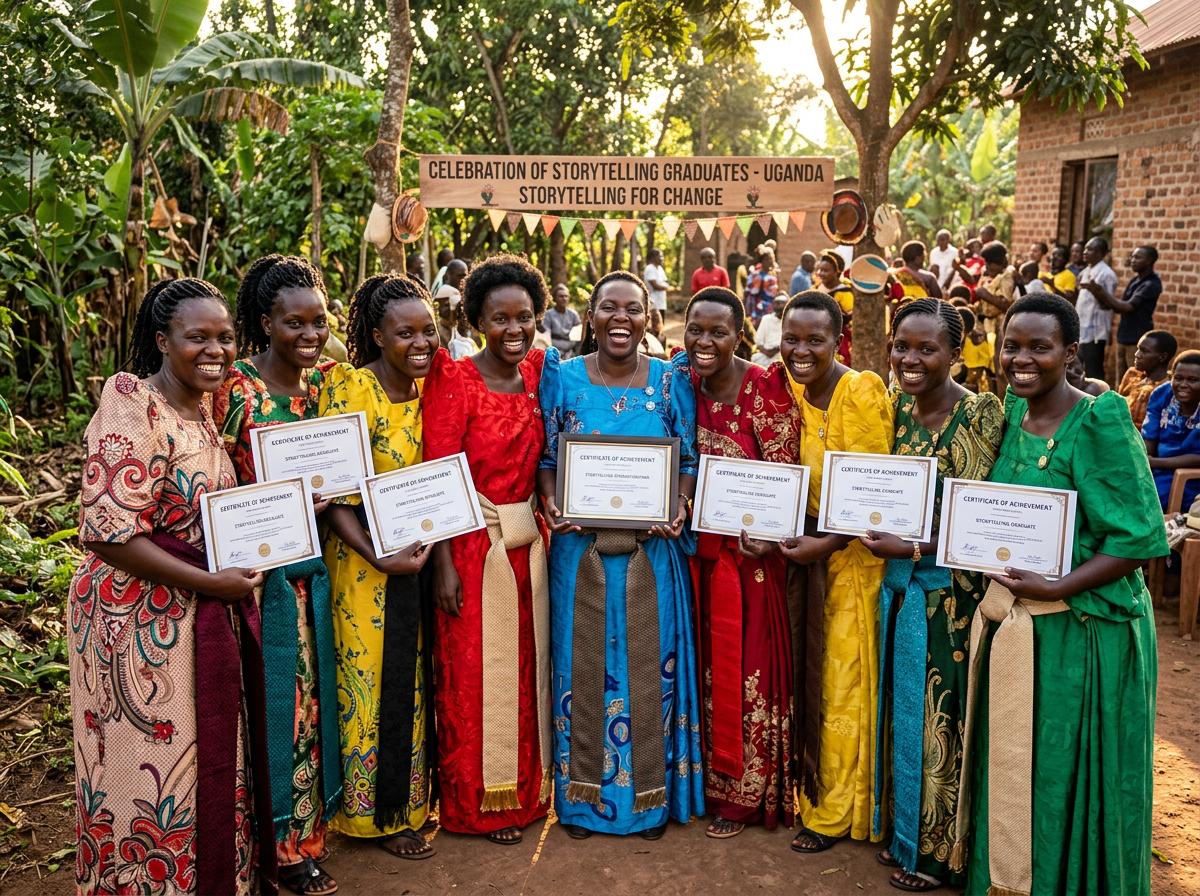
Women's Rights
WISE works to advance women's rights in Uganda and East Africa through storytelling, advocacy, and movement-building. We recognize that women's rights are inseparable from environmental justice, land rights, and climate action.
Issues We Work On
WISE works across connected issues affecting grassroots women and girls in Uganda and East Africa.
Issue Overview
Use this overview as a quick guide to the issue areas WISE addresses through storytelling, advocacy, and community action.
WISE works to advance women's rights in Uganda and East Africa through storytelling, advocacy, and movement-building. We recognize that women's rights are inseparable from environmental justice, land rights, and climate action.
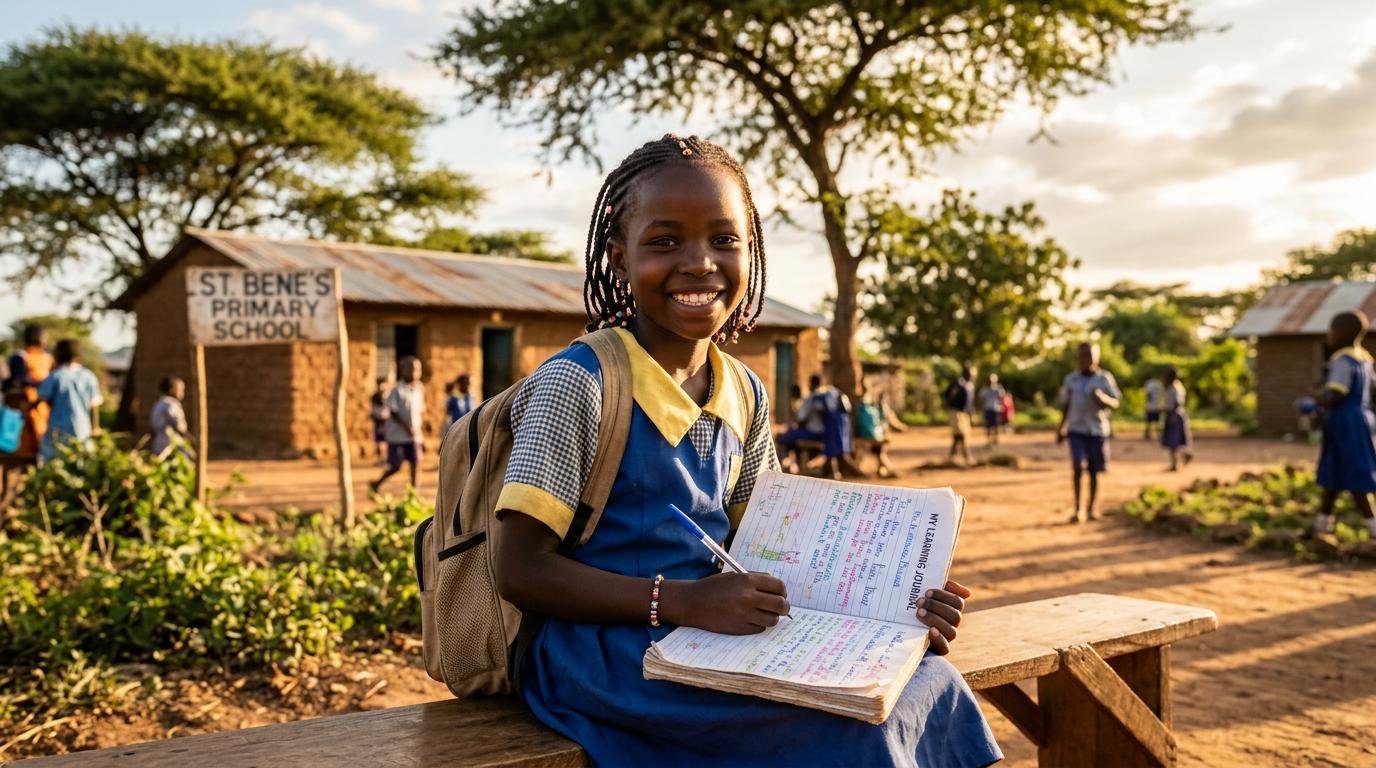
WISE supports girls' empowerment by creating safe spaces for young women and girls to learn, lead, and speak. We engage girls in environmental education, media skills, leadership development, and community action.
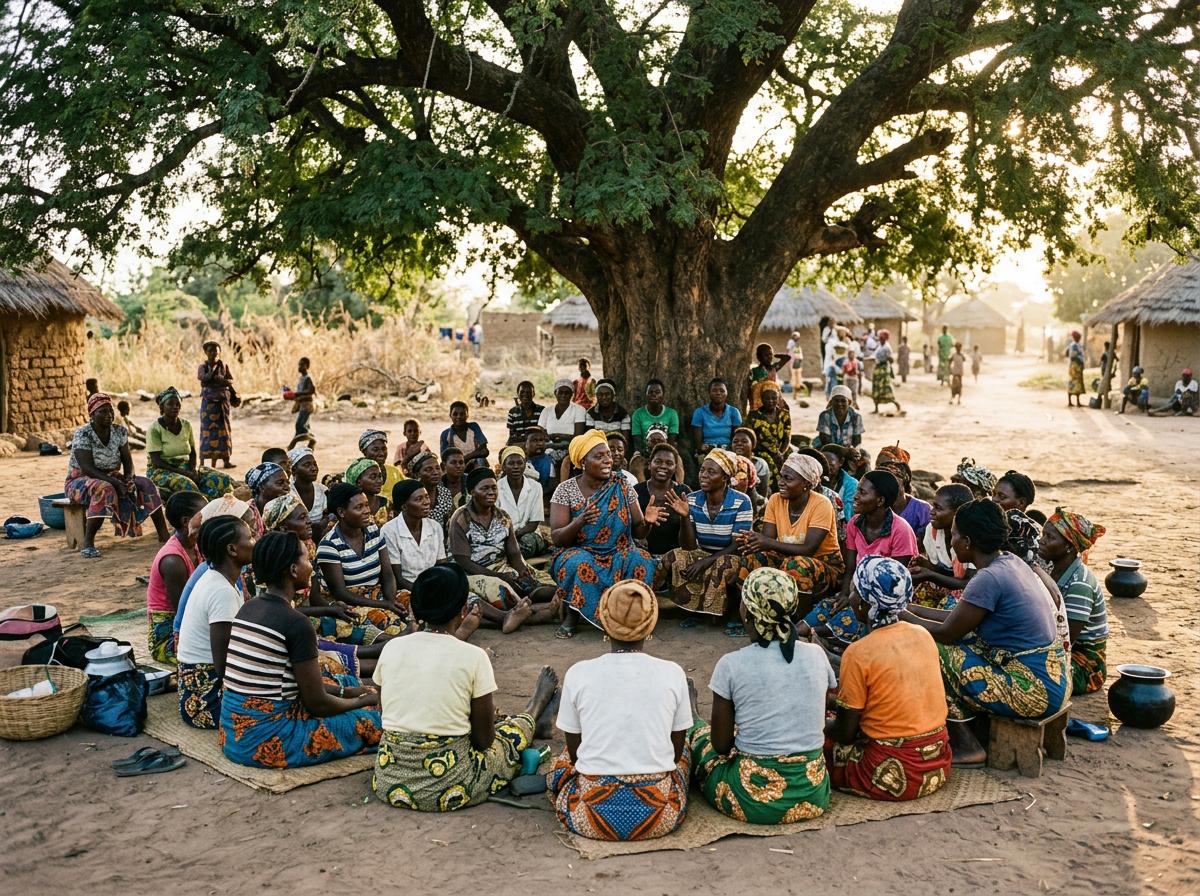
WISE works for environmental justice — the fair treatment and meaningful involvement of all people, especially women and marginalized communities, in environmental decision-making.
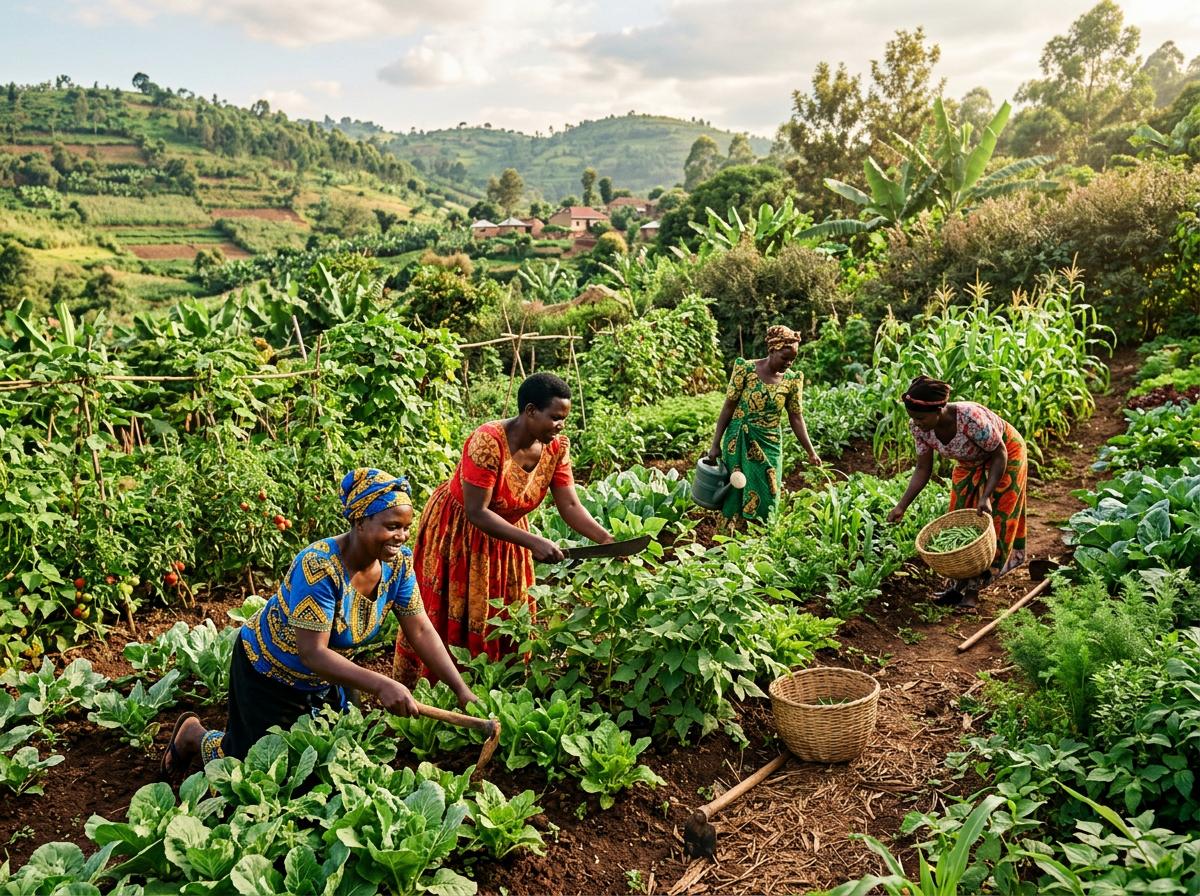
Climate change is not gender-neutral. In Uganda and East Africa, women bear a disproportionate burden of climate impacts — from droughts and floods to food insecurity and displacement.
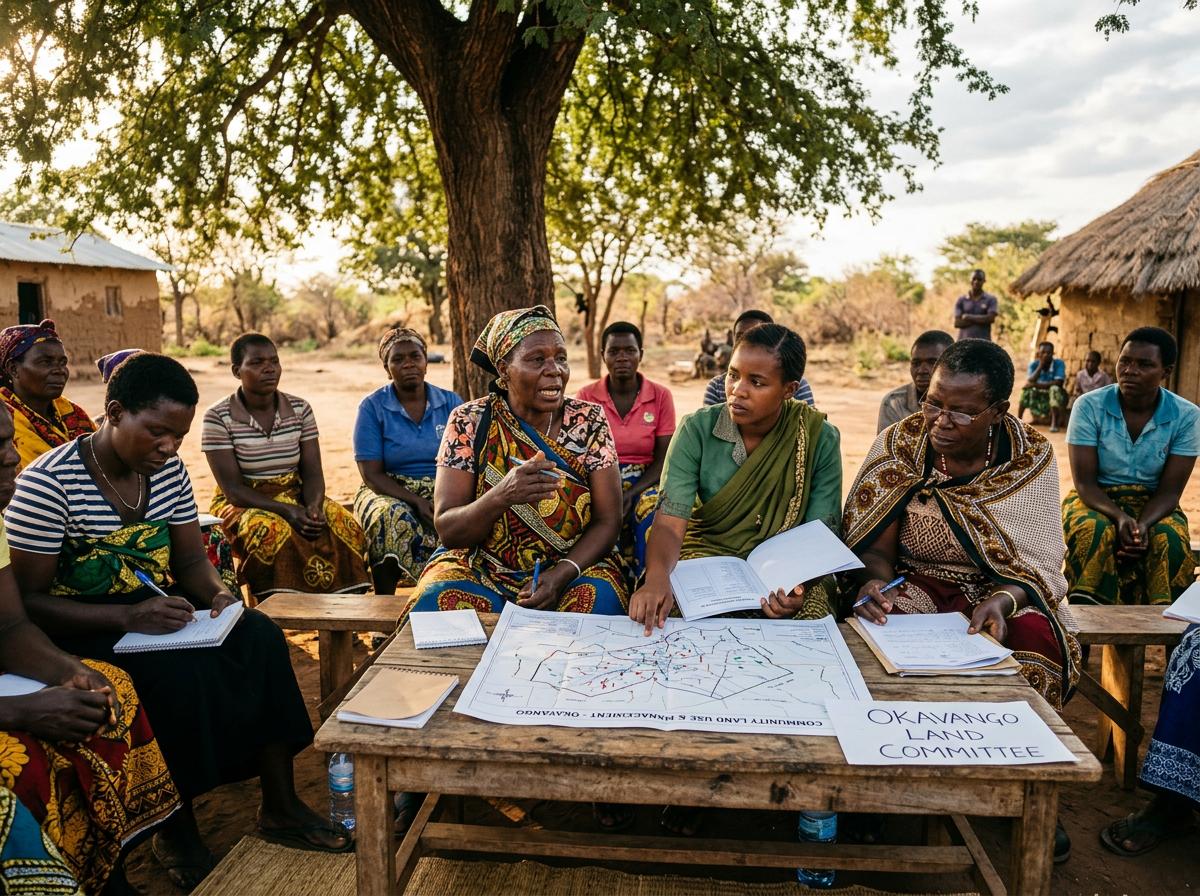
Land is central to women's livelihoods, identity, and security in Uganda. Yet women continue to face discrimination in land ownership, inheritance, and decision-making.
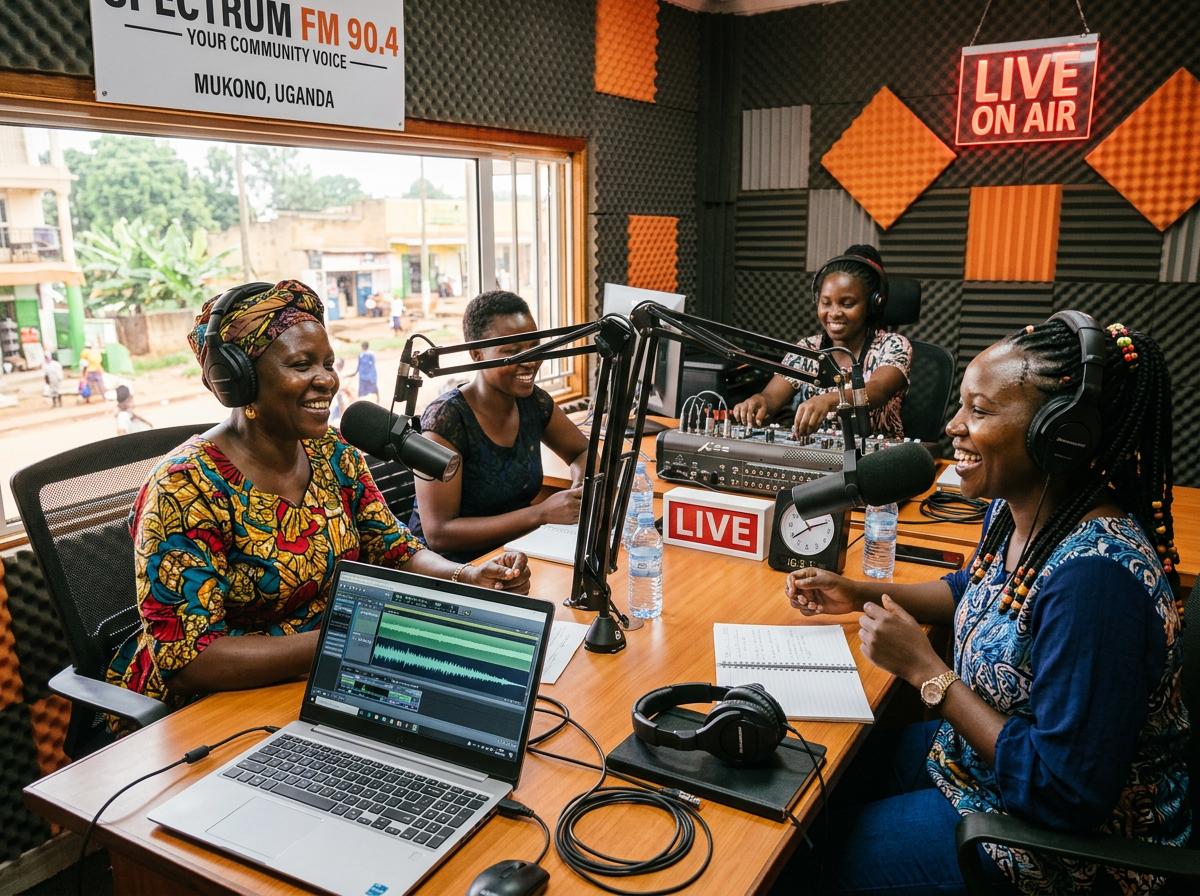
Natural resources — land, water, forests, minerals — are central to community survival and women's livelihoods.
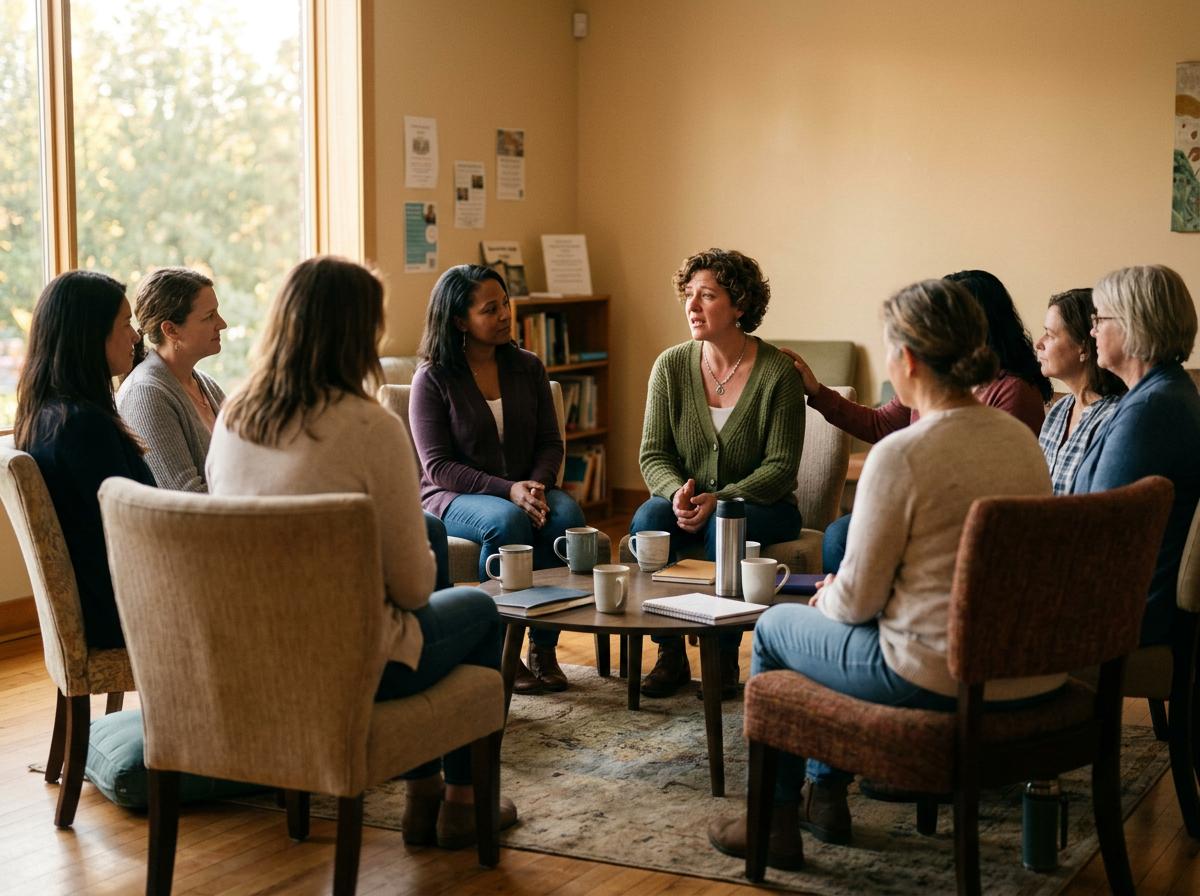
WISE integrates gender-based violence prevention into all our programs. We recognize the links between environmental stress, resource scarcity, displacement, and gender-based violence.
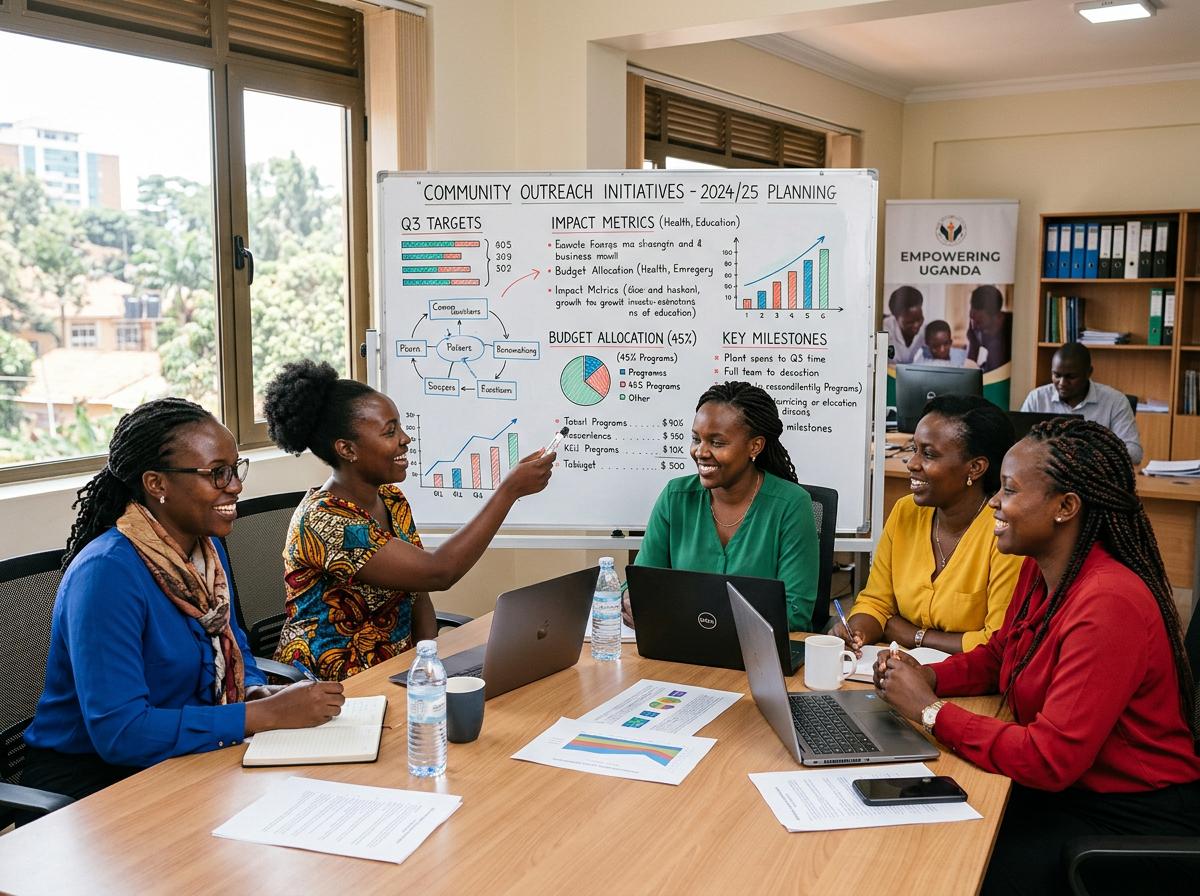
WISE recognizes that environmental degradation, climate stress, land conflicts, and displacement affect community mental health and wellbeing.
WISE works to create safer, more supportive communities for children and girls through environmental advocacy, girls' empowerment, and community awareness.
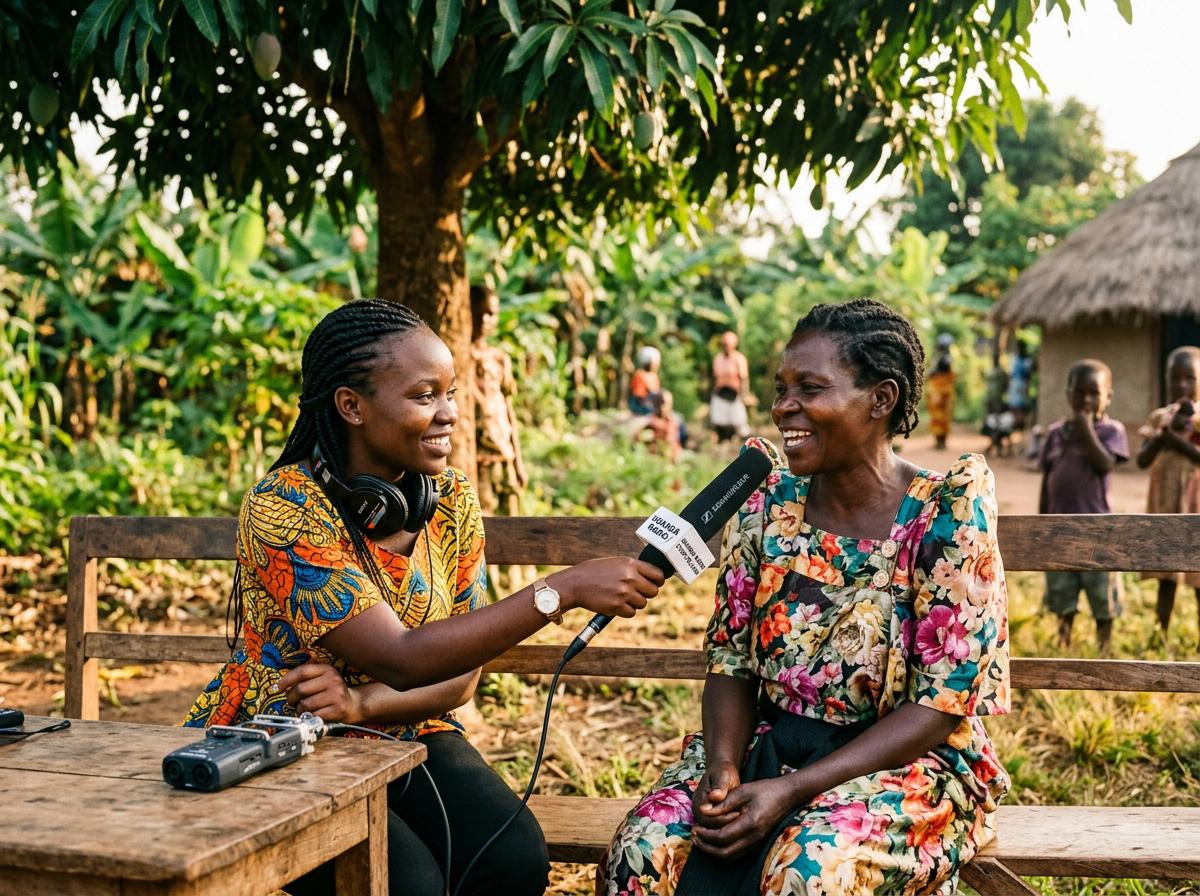
Women's voices are underrepresented in media and policy spaces across Uganda and East Africa.

WISE supports community development that is gender-responsive, environmentally sustainable, and led by local women.
Climate change and land degradation threaten food security for women and communities across Uganda.
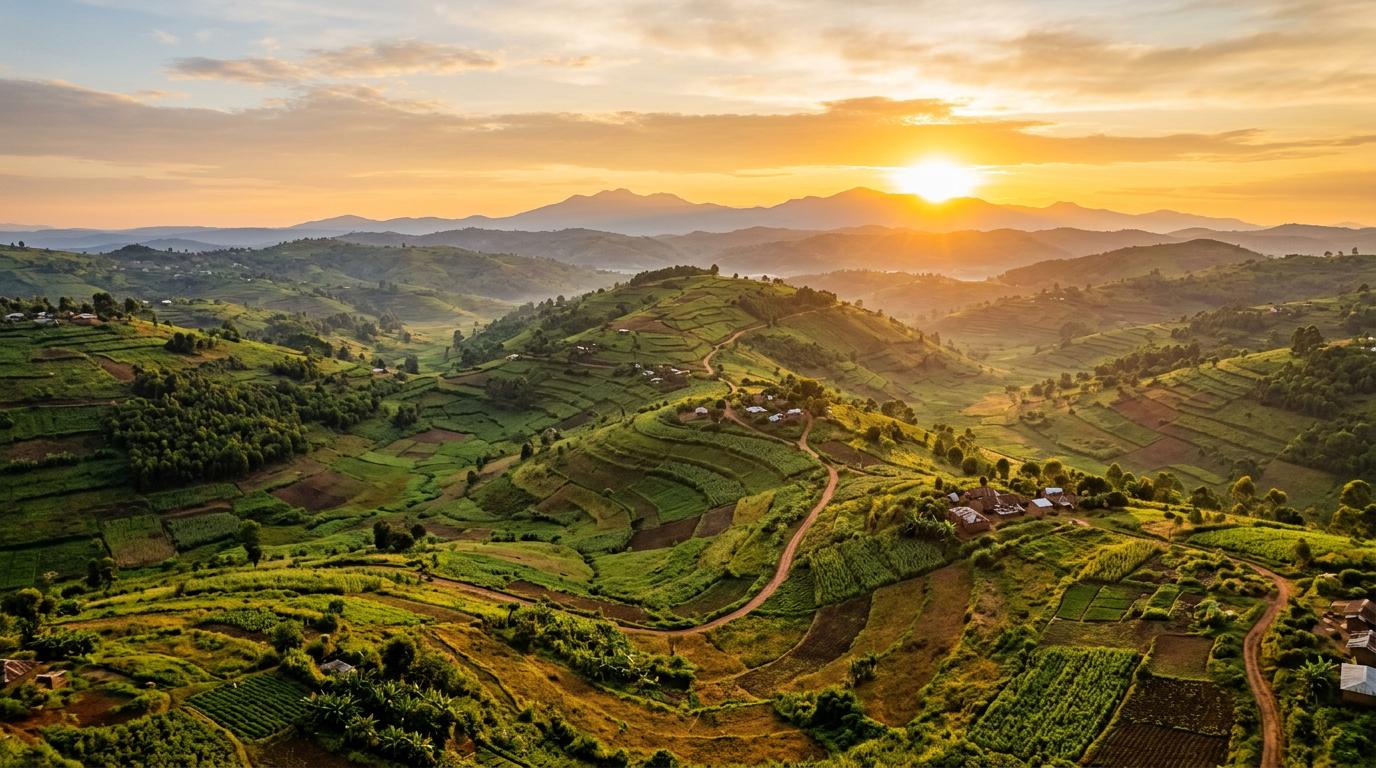
Uganda is home to extraordinary biodiversity, but ecosystems are under pressure from deforestation, mining, agriculture, and climate change.
Extractive industries — mining, oil, and large-scale agriculture — affect communities across Uganda and East Africa.
ISSUE 01
WISE works to advance women's rights in Uganda and East Africa through storytelling, advocacy, and movement-building. We recognize that women's rights are inseparable from environmental justice, land rights, and climate action.
We support women to claim their voices, participate in decision-making, and challenge the structural barriers that limit their agency and power.
ISSUE 02
WISE supports girls' empowerment by creating safe spaces for young women and girls to learn, lead, and speak. We engage girls in environmental education, media skills, leadership development, and community action.
We believe that investing in girls is investing in the future of environmental justice and climate resilience.
ISSUE 03
WISE works for environmental justice — the fair treatment and meaningful involvement of all people, especially women and marginalized communities, in environmental decision-making.
We support communities affected by pollution, deforestation, water scarcity, and environmental degradation to document harm, advocate for accountability, and secure their rights to a healthy environment.
ISSUE 04
Climate change is not gender-neutral. In Uganda and East Africa, women bear a disproportionate burden of climate impacts — from droughts and floods to food insecurity and displacement.
WISE supports women-led climate adaptation, agroecology, and resilience strategies. We advocate for gender-responsive climate policies that recognize women's knowledge and leadership.
ISSUE 05
Land is central to women's livelihoods, identity, and security in Uganda. Yet women continue to face discrimination in land ownership, inheritance, and decision-making.
WISE supports women to understand, claim, and defend their land rights through documentation, legal referrals, community dialogues, and advocacy. We document land conflicts and amplify women's voices in land governance processes.
ISSUE 06
Natural resources — land, water, forests, minerals — are central to community survival and women's livelihoods.
WISE works to ensure that women have a meaningful seat at the table in decisions about natural resource management, extraction, and benefit-sharing. We monitor extractive industry impacts, document community harm, and advocate for accountable governance.
ISSUE 07
WISE integrates gender-based violence prevention into all our programs. We recognize the links between environmental stress, resource scarcity, displacement, and gender-based violence.
We create safe spaces for women and girls, promote ethical and survivor-centered storytelling, and support community awareness and referral pathways. We do not provide medical or legal services directly, but we connect survivors to relevant support.
ISSUE 08
WISE recognizes that environmental degradation, climate stress, land conflicts, and displacement affect community mental health and wellbeing.
We create supportive spaces where women can share experiences, build solidarity, and access information about wellbeing. We do not provide clinical mental health services, but we integrate wellbeing into our programs and connect women to professional support when needed.
ISSUE 09
WISE works to create safer, more supportive communities for children and girls through environmental advocacy, girls' empowerment, and community awareness.
We engage girls in environmental education and leadership, and we advocate for community practices that protect children and promote their wellbeing. WISE is not a child protection agency, but we support community-led efforts to keep girls safe and engaged.
ISSUE 10
Women's voices are underrepresented in media and policy spaces across Uganda and East Africa.
WISE works to change this by training women in community reporting, documentary filmmaking, radio production, and digital storytelling. We create platforms for women to tell their own stories and we advocate for ethical, inclusive media practices that center women's experiences.
ISSUE 11
WISE supports community development that is gender-responsive, environmentally sustainable, and led by local women.
We believe that communities thrive when women's voices are central to development planning and implementation. We support community dialogues, women's action groups, and participatory approaches that put grassroots women in leadership.
ISSUE 12
Climate change and land degradation threaten food security for women and communities across Uganda.
WISE supports women-led agroecology — sustainable farming practices that restore soil, protect biodiversity, and ensure nutritious food for families. We promote seed sovereignty, water harvesting, and climate-resilient agriculture led by women farmers.
ISSUE 13
Uganda is home to extraordinary biodiversity, but ecosystems are under pressure from deforestation, mining, agriculture, and climate change.
WISE supports women-led efforts to protect forests, wetlands, and wildlife corridors. We document environmental harm, advocate for conservation policies that respect community rights, and promote women's knowledge in ecosystem management.
ISSUE 14
Extractive industries — mining, oil, and large-scale agriculture — affect communities across Uganda and East Africa.
Women often bear the disproportionate impacts of displacement, water contamination, and loss of livelihoods, while being excluded from benefit-sharing and decision-making. WISE supports women to document these impacts, engage in environmental assessments, and advocate for fair compensation and accountable governance.