
Lost land, unbroken hope: Kijayo families’ decade-long fight for justice
By Precious Naturinda
The evening sun was slowly disappearing as the Women’s Media Initiative for Sustainable Environment (WISE) team arrived at Kijayo Camp for Internally Displaced People in Kiziranfumbi Sub-county, Kikuube District.
Near the small church where the displaced families have lived for nearly 15 years, children kicked a football made from banana fibres, their laughter filling the air despite the difficult conditions surrounding them. Some children walked barefoot, their clothes worn out, while others gathered around the makeshift playground, finding moments of happiness in a place that has become their home.
A few metres away, rows of grass-thatched shelters stood close together. Smoke from cooking fires rose as some women prepared evening meals while others sat outside their temporary homes. Many houses were empty.
“Most people have gone to look for casual labour to get something to eat,” said Teopista Tumusiime as she arranged a small wooden bench outside her shelter.
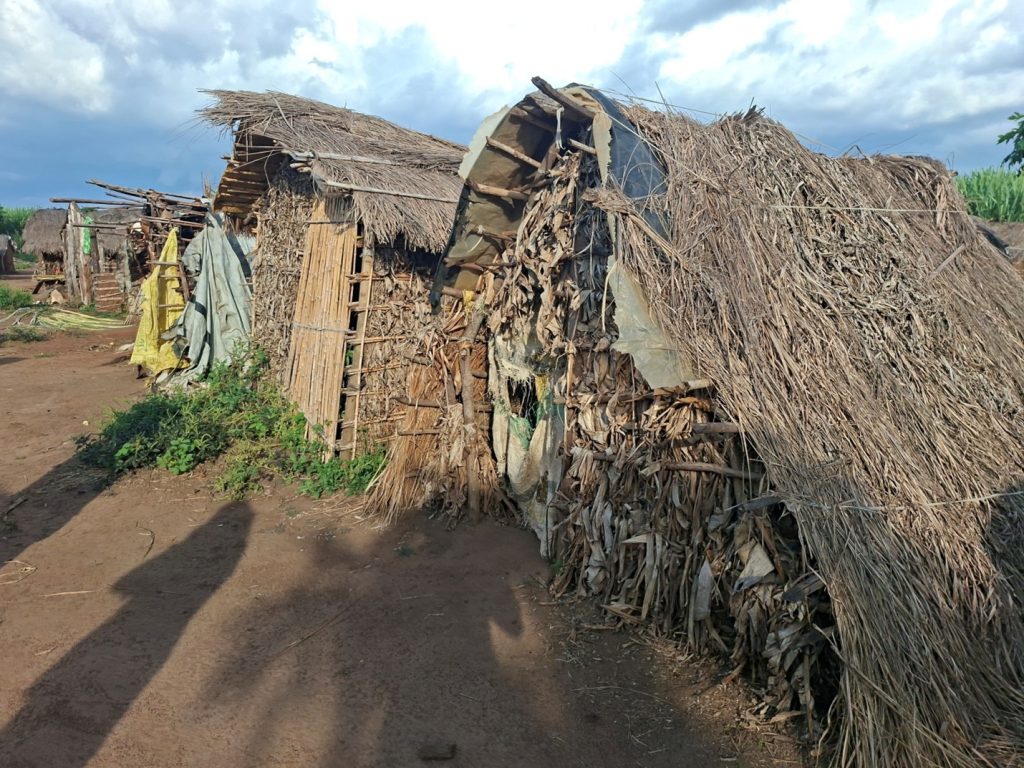
Figure 1: Some of the makeshift houses in Kijyayo camp
For many families in the camp, survival depends on daily work. Residents say they earn about Shs. 5,000 a day doing casual labour, an amount that barely covers basic household needs.
“We work because we have children to feed. But sometimes we work the whole day and still return home without enough food,” Tumusiime said.
Tumusiime, a mother of 12 children, remembers a different life. Before the eviction, her eight acres of land provided food and security for her family. She cultivated crops and depended on the land to support her children.
“Before the eviction, I harvested cassava, beans and maize from my land, feeding my family and selling the surplus at the nearby market,” she said.
But that changed after they lost access to their land.
“After we were removed, everything changed. The children stopped going to school. Some eventually got married because there was nothing else to do,” she said.
Today, Tumusiime says her biggest pain is watching her children grow up without the opportunities they once had.
“I had land where my children could study and where we could get food. Now we have nowhere to cultivate,” she said.
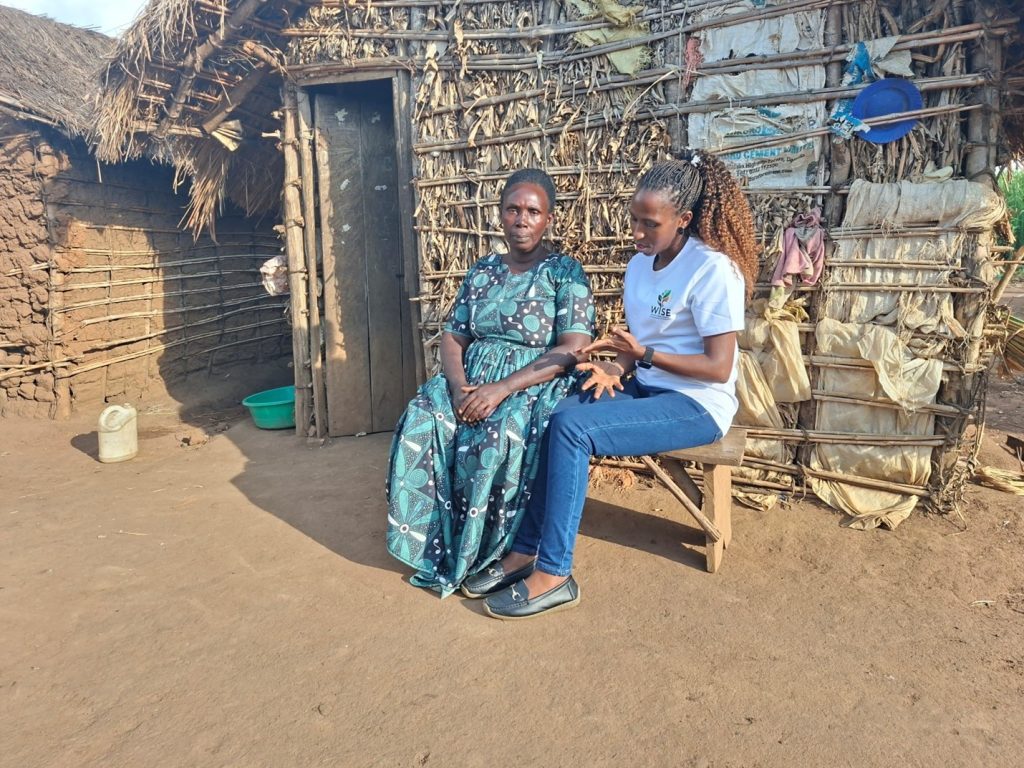
Figure 2: Teopista Tumusiime narrating her plight
According to Kijayo Camp chairperson Moses Nuwamanya, 398 families were evicted from the disputed land. Currently, about 120 households remain in the camp after many left to seek support from relatives or look for better opportunities elsewhere.
“Some leave when conditions become too difficult, but many return because they have nowhere else to go,” Nuwamanya said.
The camp has become a symbol of a struggle that began more than a decade ago.
The affected families were evicted from approximately 1,557 hectares of land after the late Prince Herbert Kimera Rwakiswaza claimed ownership of the land and leased it to Hoima Sugar Limited for a sugar plantation and factory.
The eviction threats started in 2012, prompting residents, through their lawyers Murungi and Kairu & Company Advocates, to go to court seeking determination of ownership of the land.
On July 2, 2014, Justice Simon Byabakama issued an interim order stopping Rwakiswaza and his agents from evicting the residents until the ownership dispute was resolved. However, residents say the order was violated and they were later removed from the land.
After their eviction, 398 families established a temporary camp on church land in Kigyayo, where some have remained since 2014.
Steven Buryahika, a representative of the evictees, says the displacement affected not only homes but the entire future of families.
“When people lose land, they lose food, income and the ability to educate their children,” he said.
For women in the camp, the burden has been especially heavy.
Florence Mujoogo, another evicted resident, says many women have been left to care for children alone after their husbands abandoned them.
“Women are struggling because they have children but no land to cultivate. Sometimes we depend on food from the surrounding community,” she said.
The loss of land has also affected young people. Esther Turyaheebwa, 59, a mother of seven children, says some young girls have entered early marriages hoping to find stability, while some boys have turned to drug abuse because of the hopelessness caused by the situation.
Despite the hardship, residents say they have refused to abandon their fight for justice.
Tumusiime, who represents some of the affected residents in court, says the years of struggle have not destroyed their hope.
“We have suffered for many years, but we still believe we will get justice. We want what we lost to be recognised,” she said.
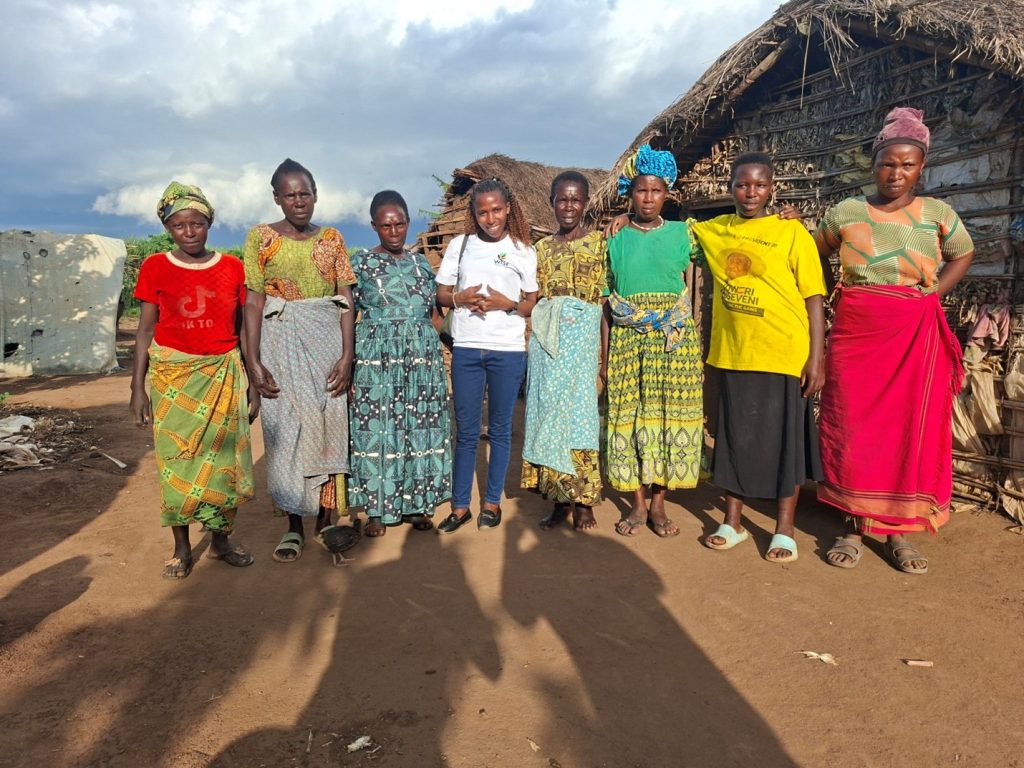
Figure 3: some of the women living in Kijayo camp
Hope through mediation
There are ongoing efforts to resolve the dispute through mediation between the affected residents and Hoima Sugar Limited.
Tophil Byaruhanga, the Regional Coordinator for Bunyoro Region under Team Thorough YMK, says mediation is aimed at finding a solution that allows affected families to receive compensation and move on with their lives.
However, Nuwamanya says the current discussions are not addressing the concerns of all evicted families.
He says some compensation considerations focus on people who still have portions of land within the sugarcane plantation, while those who lost everything remain in the camp.
“They should consider everyone who lost land and property. We want fair compensation for what was taken from us,” he said.
This publication failed to get the side of Hoima Sugar Factory as the contact person could not pick our repeated calls.
As evening falls over Kijayo Camp, children continue playing near the church while their parents prepare another night in temporary shelters.
For Tumusiime, the struggle is not only about recovering land. It is about restoring the future that was taken from her children.
“We lost our land, but we have not lost hope,” she said.